
Prospective Students
- Class of: 2026
- Svara Shah
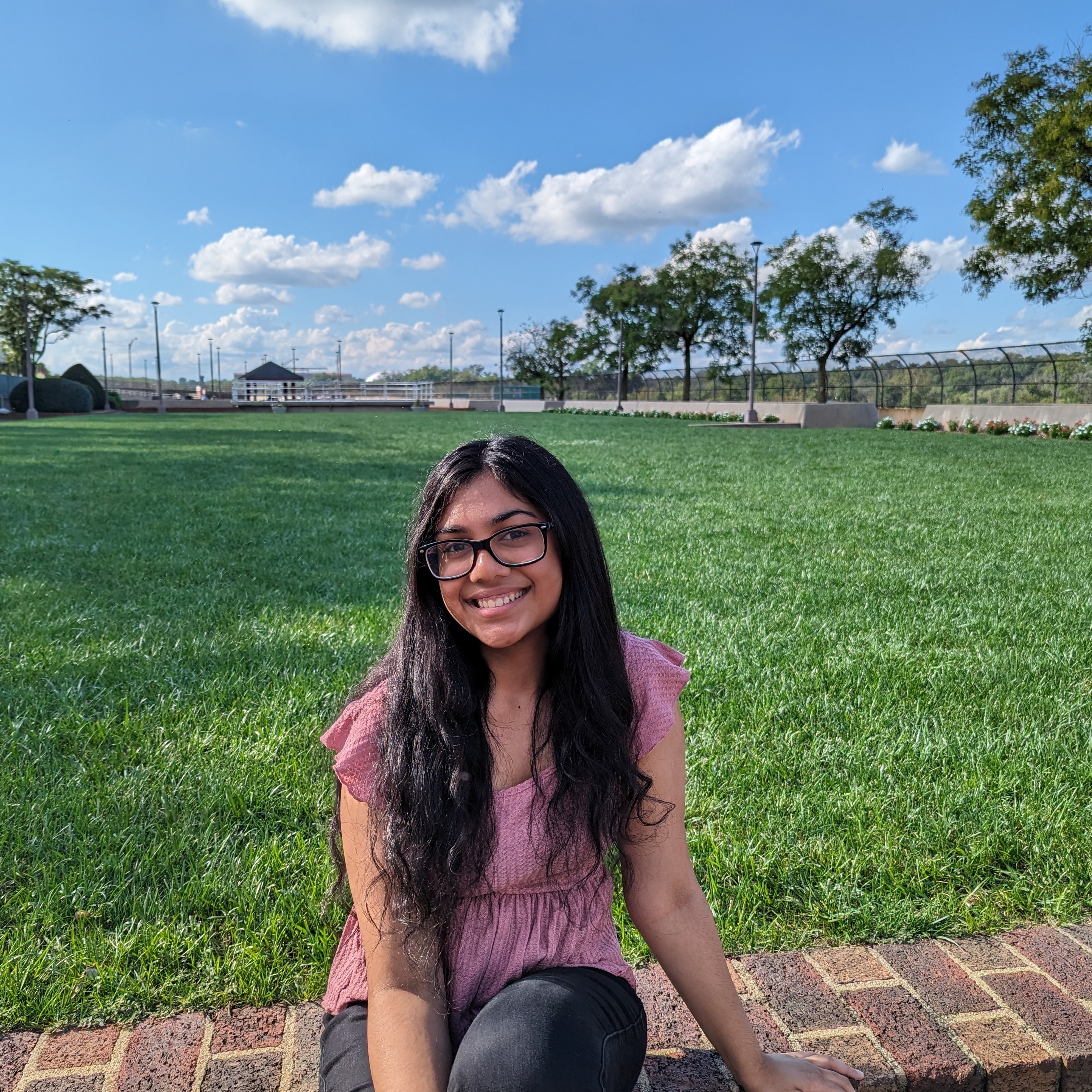
Major: Cell Biology and Neuroscience
How did you decide on your major?
I decided on my major due to my deep interest in how cells work, especially relating to the human body. As a result, I wanted to major in CBN and learn about the intricacies of cells and how they function in our bodies through cell biology and neuroscience courses.
What is it about your chose field (and the CBN Department) that appeals to you?
My chosen field is medicine, and what specifically appeals to me about that and the CBN department is the mystery and problem-solving aspect. When it comes to medicine and CBN, you learn information knowing that discoveries happen daily; this idea of constantly learning new information is why I’m a CBN major.
Do you have a favorite class/professor within your major?
My favorite class/professor has been “Fundamentals of Neurobiology” with Dr. Hsu. As I took the course, the fascinating knowledge cemented my desire to pursue neuroscience and declare the CBN major. Dr. Hsu made the class an excellent learning environment and always answered my numerous questions at the end of class.
What are your other Rutgers activities?
Aside from CBN, I am a member of Her Campus, where I write women-centered articles, and I am a chemistry tutor for the SASHP Peer Tutoring program.
What are your plans following graduation?
Following graduation, I aspire to attend Robert Wood Johnson Medical School and begin a pediatrics career.
- Class of: 2026
- Tracy Lu
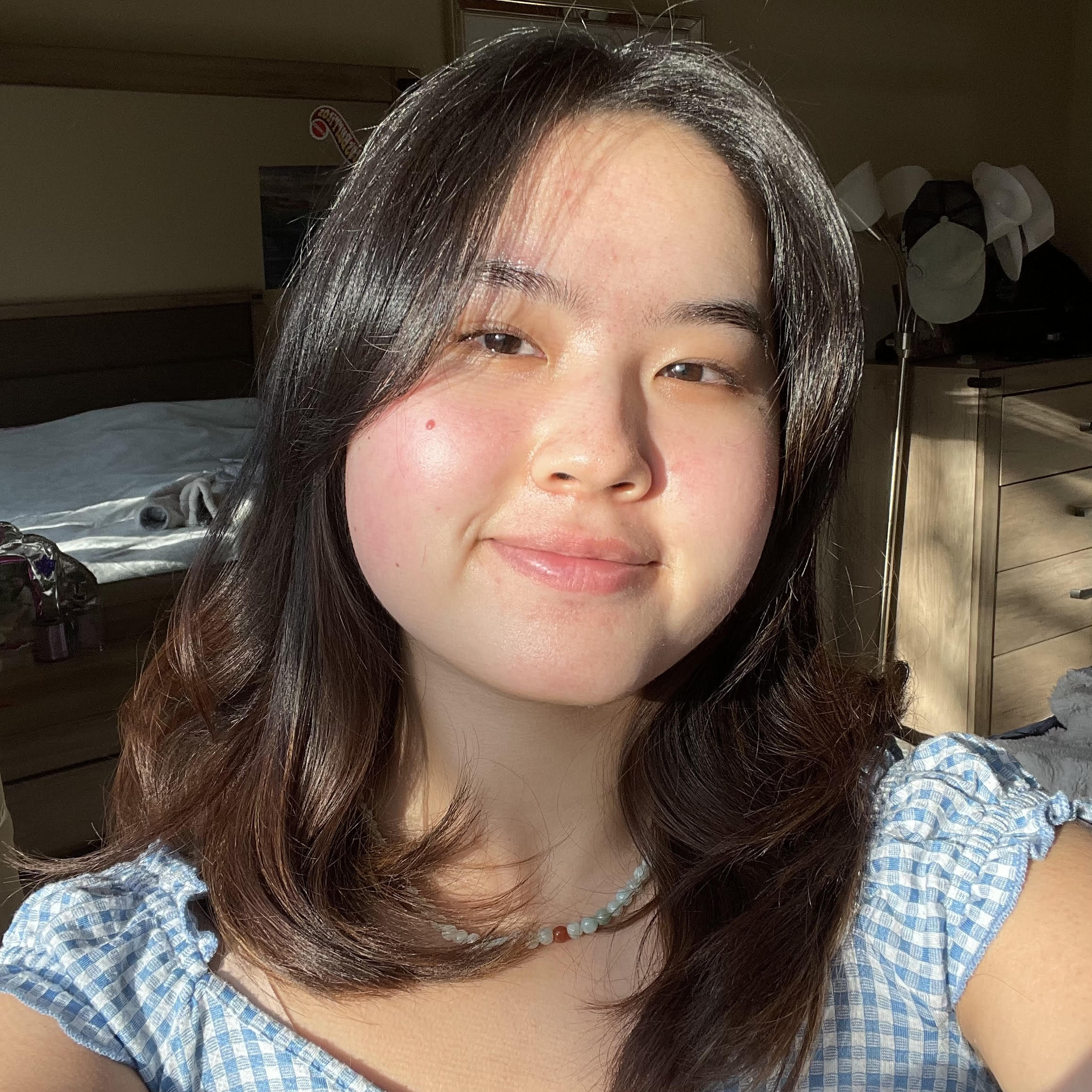
Major: Cell Biology and Neuroscience
How did you decide on your major?
In my high school biology class, we had a short lesson on the nervous system, and I quickly became interested in the intricate interplay between various domains of the neuronal network. However, I solidified my decision to major in CBN after coming to Rutgers. Once here, I took Fundamentals of Neurobiology and joined a lab at the Department of Neurosurgery at the Robert Wood Johnson Medical School. Engaging in coursework and independent projects within the lab provided invaluable hands-on experience, allowing me to apply my knowledge in real-world contexts and showing me how much more fulfilling and impactful my studies could be when applied to research and practical settings.
What is it about your chose field (and the CBN Department) that appeals to you?
Learning and diving into the details about cellular biology and neurobiology and using that knowledge to understand disease pathology is an aspect of CBN that appeals to me the most. The CBN Department enables such opportunities by offering diverse courses and a research-intensive option for the major. Following this model, I would learn about the neurological pathways of neurotransmitters in class. Then, in the lab, I could apply that knowledge to understand the mechanisms of GABA signaling in alcohol and benzodiazepine-induced respiratory suppression. Having an opportunity to bridge theoretical knowledge with practical experimentation in CBN allows me to pursue my academic interests and understand and participate in research that works toward mitigating neurological deficits associated with diseases and disorders.
Do you have a favorite class/professor within your major?
Fundamentals of Neurobiology with Dr. Shu-Chan Hsu was one of my favorite classes I have ever taken here at Rutgers. While the course was intensive regarding memorization, Dr. Hsu always emphasized understanding over rote memorization. She always took the time to elucidate complex concepts with mnemonic aids, diagrams, and fun gifs in her presentations. She also was willing to answer my questions about different disease pathologies, allowing me to foster a deeper understanding of the subject. Dr. Hsu’s approach not only facilitated my learning but also ignited a genuine passion for neurobiology within me, for she encouraged me to apply my knowledge beyond the classroom, explore neuroscience further, and consider its practical applications in real-world contexts.
What are your other Rutgers activities?
I am an e-board member in charge of fundraising for the Cell Biology and Neuroscience Society. I am also a member of the American Medical Student Association (AMSA) and the American Preventive Screening & Education Association (APSEA). I work as an undergraduate researcher at the Boison Lab in the Department of Neurosurgery, where I study drug-induced respiratory suppression and brain signaling. In my free time, I volunteer as an EMT for the River Road Rescue Squad. I also try to maintain a regular gym schedule as a stress reliever throughout the week.
What are your plans following graduation?
Following graduation, I hope to pursue either an MD or MD/PhD track.
- Class of: 2019
- Avina Rami
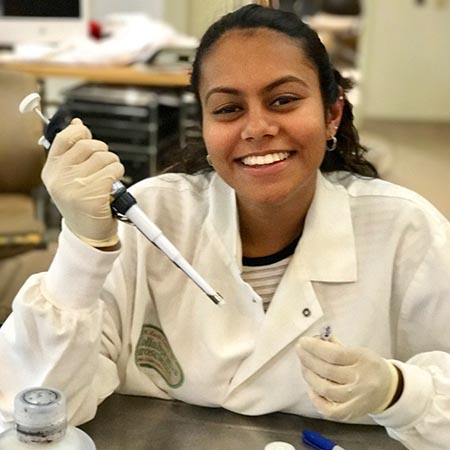 Majors: Cell Biology and Neuroscience and Spanish
Discovering her Mission through Research
Avina Rami was always strong in science.
She graduated from Biotechnology High School in Freehold, New Jersey, a magnet school where the academic program is intensely focused on biology, technology, and engineering.
But it was at Rutgers, as a cell biology and neuroscience major, where Rami found the calling that would drive her research and exert a profound influence over the direction of her undergraduate work.
That calling was spinal cord injury, a devastating condition that blocks communication between brain and body, leaving patients paralyzed and needing help with everyday tasks such as eating, dressing, and going to the bathroom.
Entering Rutgers, she knew little about spinal cord injury, and had never met anyone living with the condition. Then she attended a lecture for undergraduates given by Wise Young, an SAS professor of Cell Biology and Neuroscience and the founding director of the W. M. Keck Center for Collaborative Neuroscience.
Young is one of the world's foremost experts on spinal cord injury.
“I was trying to decide where I should do research, and I was looking at different facilities,” Rami says. “I remember taking my seat in the conference room, listening to Dr. Young’s lecture, and just being drawn to the work of the Keck Center.”
She was impressed by Young’s vision for treating spinal cord injury and the down-to-earth way he explained his work to students. She was also struck by his emphasis on collaboration.
“I was coming from a very competitive environment,” she said. “And listening to Dr. Young, you get the sense that research is more than a competition. It’s a life mission.”
The full scope of that mission hit home when Rami started doing undergraduate research at Keck. She worked in the lab but also became part of the larger community that Keck has helped build over 20 years—a network that stretches beyond the university and includes patients and their families from throughout the region. Every month, the center opens up its doors to the public, drawing dozens of people in wheelchairs and their loved ones who come to learn about the latest research.
“I think what differentiates the Keck Center is it’s a place where you get to see who your research touches. You never forget what it’s all about. It’s always about the people.”
Rami has worked on various research projects at Keck, including one that examines the role of the immune system in spinal cord injury. Rami was also selected as the student speaker at the 30th anniversary of the Douglass Project for Rutgers Women in Math, Science, and Engineering.
Last spring she and another student travelled with Dr. Young to Taiwan where they presented research at the Pan Pacific Symposium on Stem Cells and Cancer Research. That trip, as well as her Study Abroad mission this summer to Peru, where she volunteered in a clinic, has raised her interest in international healthcare as career.
After graduating, she’s considering going for an MD/PhD.
“I can honestly say that the Keck Center has allowed me to grow in ways I could not have foreseen,” she says. “It has not only shaped me as a scientist, but has allowed me to grow into a more devoted student and compassionate person.”
- Class of: 2024
- Omar Elmogazy
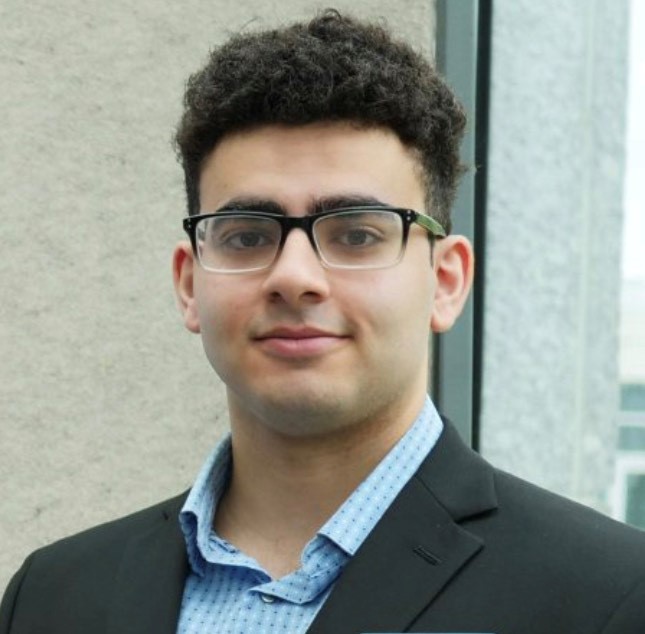
Major: Cell Biology and Neuroscience
How did you decide on your major?
I have always been interested in neuroscience; however, it was conducting neuroscience research at Rutgers and the interactions that I had with the excellent faculty that really sold me on majoring in CBN.
What is it about your chose field (and the CBN Department) that appeals to you?
I think the fact that CBN is such a wide and diverse department in terms of the research being done and classes offered really appears to me.
Do you have a favorite class/professor within your major?
My favorite class has to have been Fundamentals of Neurobiology as it was my first neuroscience course, and it was really interesting to initially learn neuroscience at a depth I had not experienced before. I also deeply enjoyed the Advanced Neurobiology class because it focused in-depth on a small number of topics in neuroscience. I really enjoyed the emphasis placed on learning the theory behind experimental techniques, some of which I apply in my own research project, as well as the use of actual research papers to teach novel discoveries in the field of neuroscience.
What are your other Rutgers activities?
I am an undergraduate assistant in the Firestein Lab, here in the CBN department. I also involved in a number of student organizations at Rutgers. I am currently the president of Rutgers Petey Greene where we volunteer as tutors for currently and formerly incarcerated people. I am also the president of Rutgers Big Buddy, where we volunteer at Lincoln Elementary school in New Brunswick. I am also a volunteer EMT with Edison EMS.
What are your plans following graduation?
Following graduation, I will be applying to medical school!
- Phu Huynh
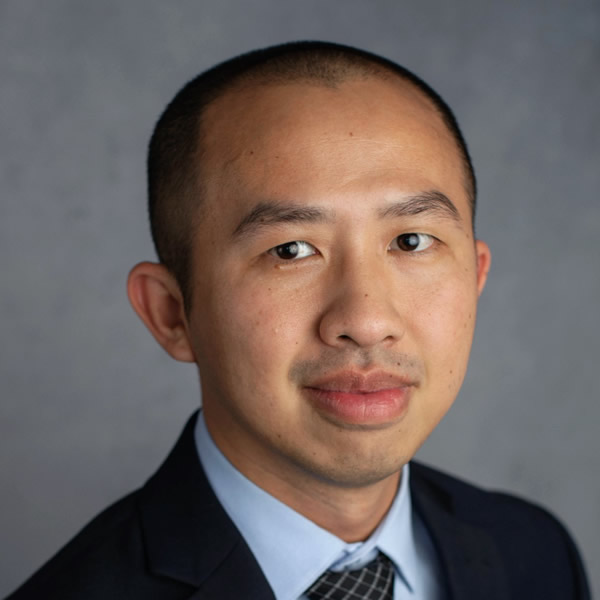 Major: Cell Biology and Neuroscience
Why did you choose Cell Biology and Neuroscience as your major?
When I entered college, my goal was to do research and develop a cure for HIV. After talking to many advisors, I decided to major in Molecular Biology and Biochemistry. It was not until I started taking Dr. Carr-Schmid’s Fundamental of Cell Biology in the fall of my junior year, that I developed an interest in Cell Biology and decided to switch my major from MBB to CBN at the end of my junior year. Fortunately, due to the overlap between MBB and CBN, I did not have to spend an extra semester to complete the required courses and was able to graduate on time.
What did you like most about it?
I found cellular signaling fascinating. It was captivating for me to think about how cells, though tiny, are the basic building blocks of life. Basic life functions are encoded in the cells’ signaling mechanisms and diseases are the results of dysfunction in cellular signaling mechanisms. I thought those aspects of Cell Biology were extremely important in finding cure for HIV. Additionally, I just want to add that my professor, Dr. Anne Carr-Schmid, was amazing. She made difficult topics easy to understand.
What is your current position, what do you, and what do you enjoy most about it?
I recently graduated from medical school and will be starting residency in Internal Medicine in a month. I believe Internal Medicine is a specialty in which I can combine my knowledge in basic science, pharmacology, pathology, and medicine to care for patients. I am looking forward to my intern year because I will start putting together what I learned in medical school to take care of my patients.
What was your first job after Rutgers and how did you get it?
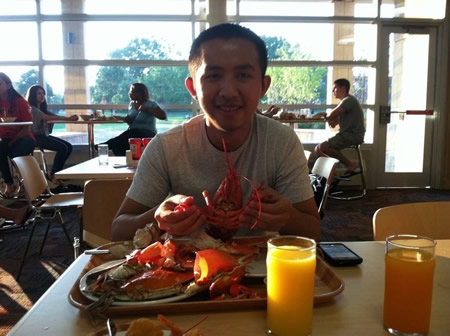
As a first-generation college student, I was in the EOF program. Being a participant in the program, I attended the summer prep courses in Writing and Math prior to my freshman year. I still remember during one of the math final review sessions, we did not have enough tutors to help the students. So, I volunteered to help, though I was nervous because my English was not that great. Somehow, my action caught the attention of the coordinator who then offered me a job with Student Support Services. Knowing that my first year at Rutgers would be a whole new experience for me, I told the coordinator that I would like to focus on my studying first and would speak with them in the future about the job opportunity when I felt more comfortable with my academic performance. I signed up for work study, I started working as a physics lab assistant, which I enjoyed but felt like it was not for me in the first semester of my freshman year. I knew I wanted to teach and share my knowledge with others. So, I decided to talk to the SSS coordinator and started tutoring math and basic sciences for EOF and ODASIS students until I graduated.
 How did you move from that first job to your current position?
I served as a tutor because I enjoyed teaching and sharing my knowledge with others. I did not think much about how that job could help me with my future career. While in college, I never thought about going to medical school and becoming a doctor. My goal was to be a research scientist to find cure for HIV. With the help of Dr. Khan from ODASIS, I got my first research position in Dr. Monica Driscoll’s lab where I studied the roles of exercise in healthy aging in the worm model, C. elegans. My work in Dr. Driscoll’s lab helped me secure a postbaccalaureate fellowship at the National Institute in Aging. It was at the NIA that I began to ask how I could do more with scientific knowledge like I did as a tutor. So, I began exploring career possibilities in medicine such as nurse, P.A., and doctor. During the day, I worked in the lab. At night, I volunteered in the hospital talking to patients, shadowing doctors and nurses. I realized I enjoyed helping patients and being a doctor would enable to use my knowledge to do just that. That was how I knew medicine was the right path. For me, the decision to pursue medicine was not only about exploring the unknown and possibilities, but also questioning my own decision.
Looking back, what classes or experiences at Rutgers would you point to as contributing to your successes?
This is a tough question because I enjoyed all of my undergraduate classes equally, including writing classes. However, I believe Cell Biology and Endocrinology were the two courses that contributed to my successes. I like the complexity of cell signaling and hormonal regulations because those difficult concepts make me think. And critical thinking and reasoning are what help me succeed on the MCAT and as a medical student.
 What advice do you have for our current Arts and Sciences students?
I understand that entering college is a major milestone for a lot of us, especially those from disadvantage backgrounds. Some start college knowing exactly what they will be doing while some have no clue at all. And that is okay, because college is where we explore possibilities. And this exploration phase continues after graduation.
Try not to get succumbed to the idea that you have to follow any particular path to be successful. As you grow, your experiences and perspectives will change and grow. So, learn to reflect on those experiences and perspectives. Being able to reflect on your experiences will help you define your own career path and success.
I don’t have any specific formula for you to follow because each person will create their own formula. But what you can do now as a college student is to listen to what your advisors/parents/friends/professors have to say and don’t over-analyze their advice/suggestions/recommendations, embrace every opportunity available/offered to you. Last but not least, dare to question your own decision.
Class of 2014, Bachelor of Arts in Cell Biology and Neuroscience
Class of 2022, Master of Business and Science